
Thinking about enhancing your appearance with dermal fillers? You’re not alone! Dermal fillers have become increasingly popular for their quick results and non-invasive nature. However, it’s important to be informed about potential risks before making a decision. In this FAQ, we’ll cover everything you need to know to make a safe and informed choice.
What Are Dermal Fillers?
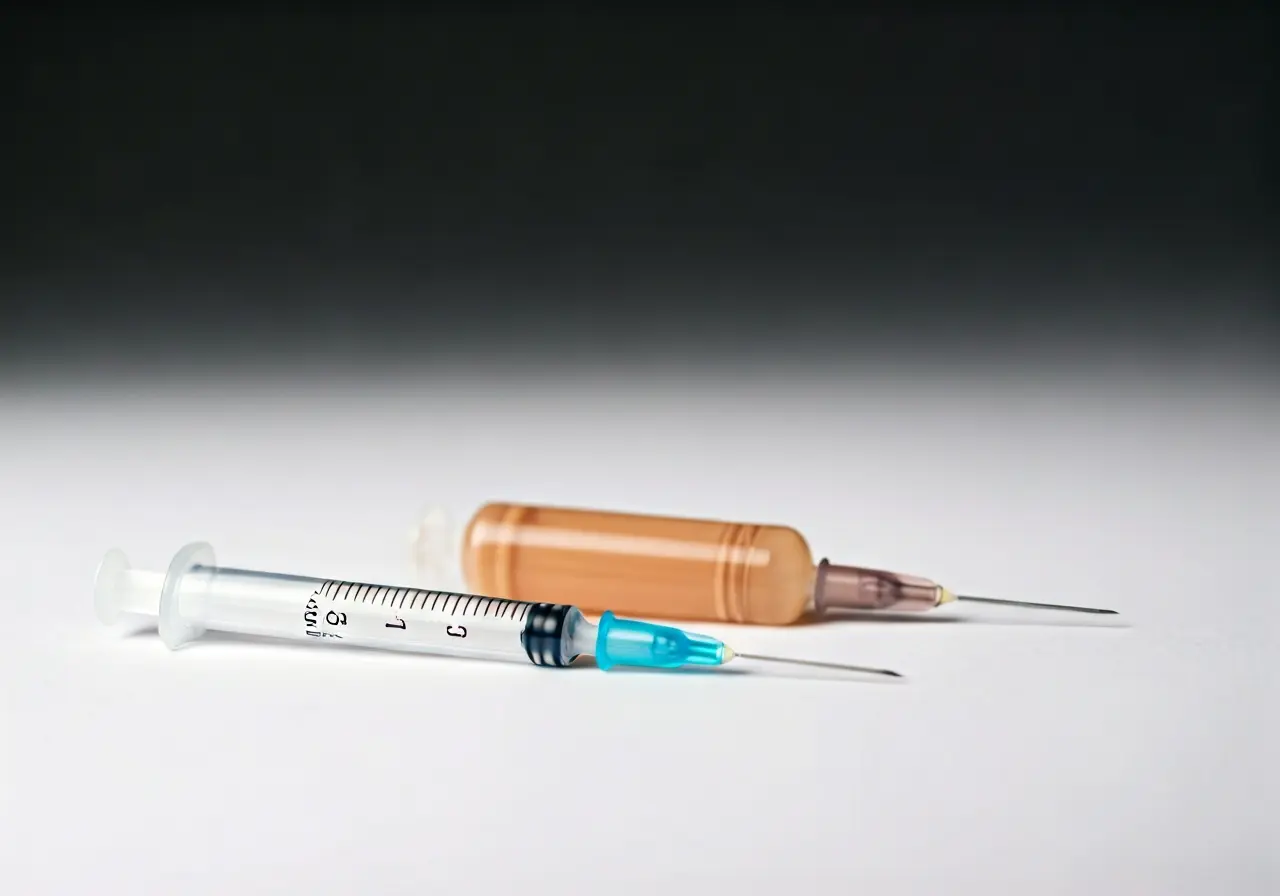
Dermal fillers are injectable substances used to restore volume, smooth lines, and enhance facial features. They are commonly made with hyaluronic acid or other biocompatible materials.
The popularity of dermal fillers has surged in recent years, thanks in part to their versatility. These fillers can address various concerns from augmenting lips or cheeks to minimizing under-eye circles. The procedure is generally quick and involves minimal downtime, which is why many people are opting for the ‘lunchtime facelift.’
While dermal fillers can produce amazing aesthetic results, it’s crucial to understand the components and see how hyaluronic acid works to hydrate and plump the skin.
Common Risks Associated with Dermal Fillers
While generally safe, dermal fillers carry some risks, including bruising, swelling, and asymmetry. More severe risks can include infection or allergic reactions, although these are rare.
It’s crucial to be aware of the potential side effects such as the uncommon ‘Tyndall effect,’ where the skin has a bluish tint, or granulomas, which are small lumps that might form under the skin.
One of the more severe complications, although rare, includes vascular occlusion. This occurs when the filler blocks a blood vessel, and it can lead to skin necrosis if not promptly treated.
How to Minimize Risks
Choosing a qualified and experienced practitioner is key to minimizing risks. Ensure the clinic follows proper hygienic protocols and has positive reviews from previous clients.
Another way to reduce risks is to have a thorough consultation before the procedure. This allows you to assess the provider’s knowledge and ensure they use high-quality products approved by health authorities.
Pre-treatment care is also essential. Following any pre-procedural guidelines provided by your practitioner, such as avoiding blood thinners, can significantly reduce risks.
Questions to Ask Your Provider
Prepare a list of questions for your consultation. Inquire about the type of filler used, the provider’s experience level, and what to expect during and after the procedure.
Don’t hesitate to ask about any possible side effects or complications that could arise. Understanding these ahead of time can help manage expectations and prepare you should any problems occur.
Understanding the longevity of the filler is also important. Ask your provider how long the effects are expected to last and when you might need a follow-up treatment.
What to Do if You Experience Complications
If you experience any severe reactions or complications, contact your provider immediately. They can assess the issue and recommend appropriate treatment or remedies.
For mild discomfort or swelling, over-the-counter medications and ice packs can help alleviate symptoms.
In rare cases where a serious complication arises, further medical intervention may be necessary. Always follow the guidance of your healthcare professional for the safest and most effective outcomes.
Making an Informed Choice About Dermal Fillers
Choosing dermal fillers can be a great option for achieving a youthful appearance, but it’s essential to do your research and consult with a professional. By being aware of the potential risks and taking steps to mitigate them, you can safely enjoy the benefits of dermal fillers. For more information and to schedule a consultation, visit our homepage.